
Roofing Services
Plywood Replacement
Why Replacing Rotten Plywood Is One of the Most Important Parts of a Roof Replacement
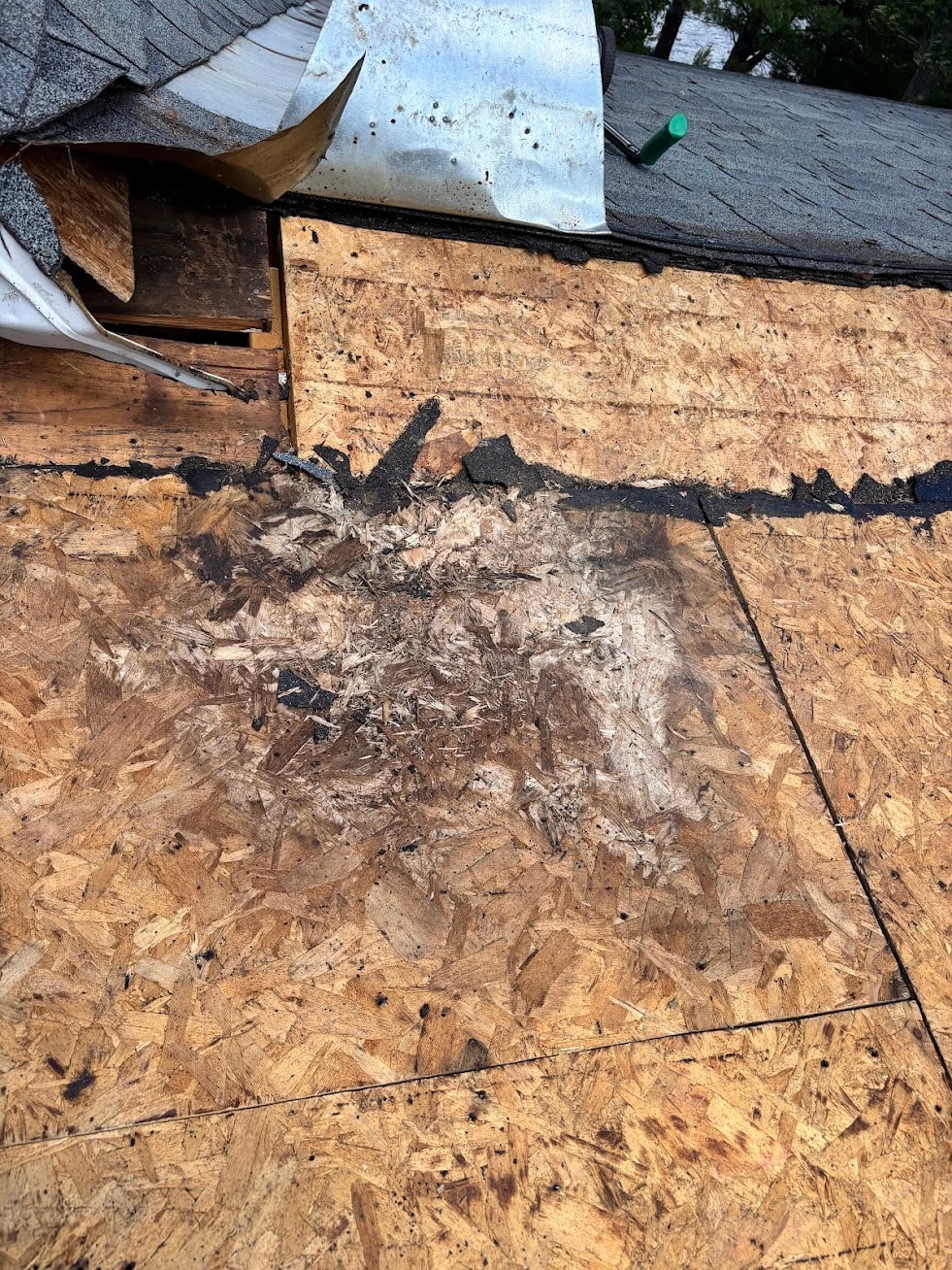
New plywood roof decking installed — the solid foundation every roofing system needs
When homeowners think about replacing their roof, most focus on the shingles they'll see once the job is complete. While premium shingles are important, what lies underneath is often even more critical. One of the most overlooked aspects of a roof replacement is the condition of the roof decking, commonly referred to as plywood.
At True Performance Roofing, we frequently discover rotten plywood during roof replacement projects throughout Muskoka, Georgian Bay, Midland, Orillia, Barrie, and surrounding Ontario communities. Replacing damaged roof decking is essential for ensuring your new roof performs properly and protects your home for years to come.
What Is Roof Plywood?
Roof plywood, also known as roof decking or roof sheathing, is the structural surface attached to your roof trusses or rafters. It serves as the foundation for your entire roofing system.
Every component of your roof — including underlayment, ice and water shield, drip edge, flashing, and shingles — is installed directly onto this plywood.
If the decking underneath is compromised, even the highest-quality roofing materials cannot perform as intended.
What Causes Roof Plywood to Rot?
Rotten plywood is usually the result of prolonged moisture exposure. Water can enter the roofing system through:
- Aging or damaged shingles
- Missing flashing
- Ice damming
- Roof leaks
- Improper ventilation
- Condensation buildup
- Failed roof penetrations
- Skylight leaks
- Chimney leaks
Over time, moisture weakens the wood fibers, causing the plywood to soften, deteriorate, and lose its structural integrity. Many homeowners are surprised to learn they have rotten plywood because the damage often remains hidden beneath the shingles for years.
Signs You May Have Rotten Roof Decking
While a professional roof inspection is the best way to identify damaged plywood, there are several warning signs homeowners should watch for:
Soft Spots on the Roof
If sections of the roof feel spongy or appear uneven, the decking underneath may be deteriorating.
Interior Water Stains
Water stains on ceilings or walls often indicate moisture has been entering the roofing system.
Sagging Roof Areas
Visible dips or sagging sections can signal structural weakening caused by rotten decking.
Mold or Mildew Growth
Excess moisture trapped within the roof system can encourage mold growth in the attic or living space.
Recurring Leaks
Repeated leak repairs may indicate underlying decking damage that has not been addressed.
Why Rotten Plywood Must Be Replaced
Some homeowners wonder whether damaged plywood can simply be covered over during a roof replacement. The answer is no. Installing new shingles over rotten decking creates several serious problems.
Structural Integrity
Your roof decking provides critical support for the roofing system. Rotten plywood loses strength and may no longer adequately support roofing materials, snow loads, or foot traffic during future maintenance.
Proper Fastener Holding Power
Shingles rely on roofing nails being securely anchored into solid wood. If the plywood is soft or deteriorated, nails may not hold properly, increasing the risk of shingle blow-offs during high winds.
Preventing Future Leaks
Damaged decking often indicates previous water intrusion. Replacing rotten plywood allows contractors to identify and correct problem areas before installing the new roofing system.
Maximizing Roof Lifespan
A new roof installed over compromised decking will never achieve its full lifespan. Solid, properly installed plywood provides the stable foundation needed for long-term performance.
The Importance of Full Roof Preparation
At True Performance Roofing, we believe a roofing system is only as strong as the surface beneath it.
When rotten plywood is discovered during a roof replacement, we remove the damaged sections and replace them with new roof-grade plywood before proceeding with installation.
Once the decking is repaired, we install:
- Ice and water shield around vulnerable areas
- Full synthetic underlayment
- Drip edge protection
- Proper ventilation components
- Premium roofing materials
This complete roofing system helps ensure maximum durability and weather protection.
Common Areas Where Rot Is Found
Throughout Ontario, we frequently find rotten plywood in areas such as:
- Around chimneys
- Near skylights
- Along roof valleys
- Around plumbing vents
- Under damaged flashing
- Near eaves where ice damming occurs
- Around improperly ventilated roof sections
These areas are especially vulnerable to long-term moisture exposure.
A Small Investment That Protects Your Home
While plywood replacement may add to the overall project cost, it is one of the most important investments homeowners can make during a roof replacement. Ignoring damaged decking can lead to:
- Premature roof failure
- Ongoing leaks
- Structural damage
- Mold growth
- Higher repair costs in the future
Addressing the issue during the roofing project is far more cost-effective than dealing with extensive repairs later.
Trust True Performance Roofing
At True Performance Roofing, we don't believe in covering up problems. We take the time to inspect the roof deck, identify damaged areas, and ensure every new roof is installed on a solid foundation.
Whether you're replacing an aging roof or addressing storm damage, our team is committed to providing complete roofing solutions designed to withstand Ontario's harsh weather conditions.
If you're considering a roof replacement and want peace of mind knowing the job is done right, contact True Performance Roofing today for a free, no-obligation estimate.
True Performance Roofing – Roofers You Can Trust Every SHINGLE Time.