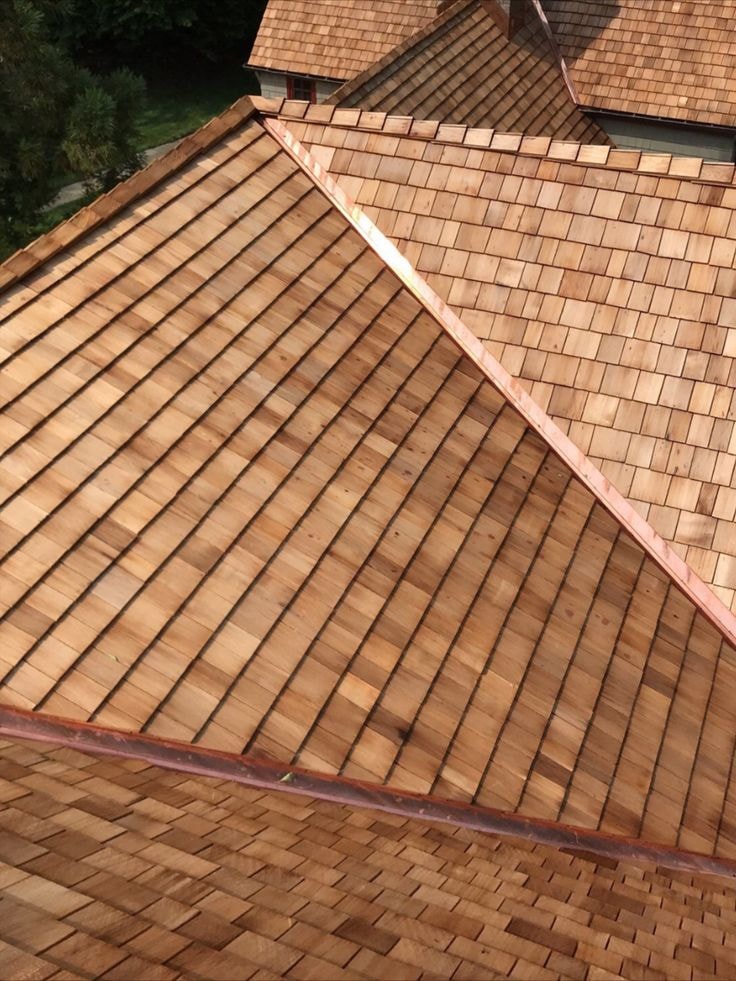


Storm Damage and Why a Fully Prepared Roof Is Essential
Learn how wind, rain, hail and snow can damage your roof — and why proper roof deck preparation is essential for lasting protection in Muskoka and Simcoe County.
Severe weather can place tremendous stress on your roofing system. Strong winds, heavy rain, hail, snow and ice can damage shingles, flashings, vents and even the roof deck underneath. However, protecting your home from storms requires more than simply installing new shingles. A durable roof begins with proper preparation underneath — that is why a fully prepared roofing system is essential for homes and cottages throughout Muskoka and Simcoe County.
At True Performance Roofing, we specialize in complete asphalt shingle roof replacements using high-quality IKO Dynasty shingles and a thorough preparation process designed to provide dependable protection from Ontario weather.
How Can a Storm Damage Your Roof? — Some storm damage is immediately noticeable, while other problems may remain hidden until water begins entering the home. Common types of storm-related roof damage include: missing or lifted shingles; cracked, torn or creased shingles; exposed roofing nails; damaged ridge caps; loose or damaged flashing; dented or broken roof vents; damage caused by falling branches; granule loss from shingles; water entering around chimneys or skylights; leaks caused by wind-driven rain; ice dam damage along the roof's lower edges; and damaged or weakened roof decking. Even when shingles remain attached, strong winds can break their adhesive seals. Once a shingle has lifted or creased, it may no longer provide reliable protection against future storms.
Signs of Roof Damage After a Storm — After severe weather, homeowners should look for visible signs of damage from the ground: shingles or roofing material on the ground; bare or uneven areas on the roof; bent eavestroughs or downspouts; pieces of flashing around the property; fallen tree branches on the roof; water stains on ceilings or walls; moisture or damp insulation in the attic; new dripping or musty smells inside the home; and shingle granules collecting near downspouts. Avoid climbing onto the roof yourself, especially when it is wet, icy or visibly damaged.
Why New Shingles Alone Are Not Enough — Shingles are the most visible part of your roof, but they are only one component of the complete roofing system. Installing new shingles over damaged decking, worn underlayment or improper flashing can leave the home vulnerable to leaks. Covering existing problems does not correct them — it only makes them harder to see. A properly prepared roof addresses the entire system underneath the shingles, creating a stable, weather-resistant foundation for the new roofing materials.
Complete Removal of Existing Roofing Materials — Removing the old roofing materials allows the roof deck to be properly inspected. Soft wood, rot, water damage and previous installation problems may remain hidden until the existing shingles and underlayment are removed. If multiple layers of roofing are discovered, they must also be removed before the new roofing system can be installed correctly.
Roof Deck Inspection — The roof deck provides the foundation for the entire roofing system. It must be solid, secure and suitable for fastening new shingles. During a complete roof replacement, the deck should be inspected for: rotten or deteriorated plywood; soft or water-damaged areas; loose or improperly fastened sheathing; sagging sections; large gaps between boards; previous leak damage; and areas that cannot securely hold roofing nails. Damaged roof decking should be replaced before installing new roofing materials.
Ice and Water Protection — Ice and water membrane provides added protection in vulnerable areas of the roof. In Ontario, it is especially important along the lower eaves, where ice dams and melting snow can cause water to move underneath the shingles. True Performance Roofing typically installs six feet of IKO StormShield® ice and water protection along the lower eaves, with additional protection in valleys and other vulnerable areas as required.
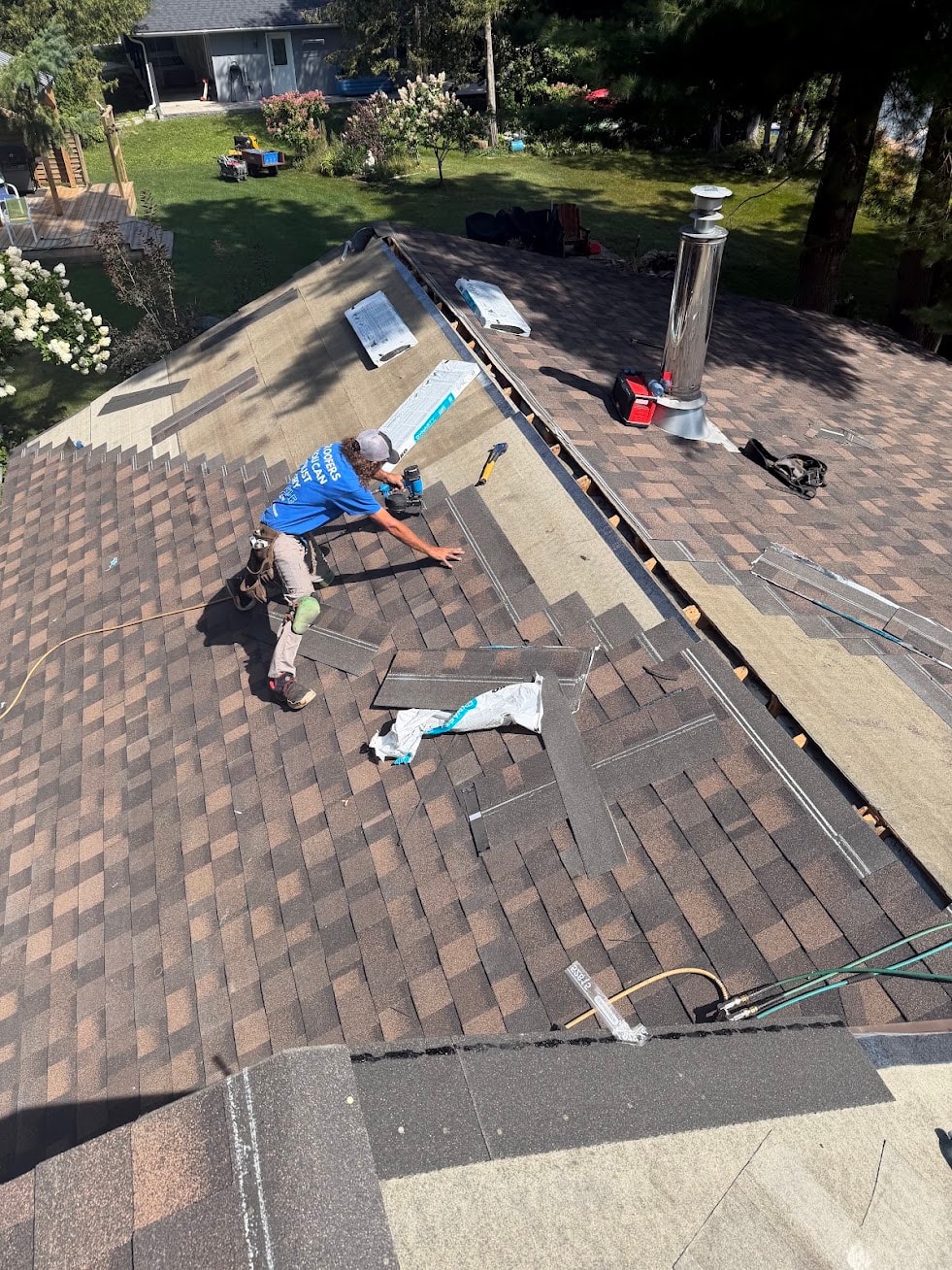
Synthetic Underlayment — Synthetic underlayment is installed over the remaining roof deck to create an additional protective layer beneath the shingles. It helps protect the roof deck from wind-driven rain and moisture that may get past the shingles. We use IKO Stormtite® synthetic underlayment as part of our complete asphalt shingle roofing system.
New Drip Edge, Starter Shingles and Proper Flashing — Drip edge is installed along the eaves and gable ends to help direct water away from the roof deck and into the eavestroughs. Starter shingles are installed along the roof edges before the main shingles to provide a properly sealed first row and help protect the roof from wind uplift. Flashing protects the most leak-prone areas of the roof including chimneys, skylights, plumbing vents, roof-to-wall connections, valleys and other roof penetrations. Old or damaged flashing must be carefully inspected and replaced when necessary.
Suitable Roof Ventilation — Proper ventilation helps regulate heat and moisture inside the attic. Without adequate ventilation, condensation can contribute to mould, damaged insulation and premature deterioration of the roof deck. Ventilation also helps reduce excessive heat buildup that can shorten the lifespan of asphalt shingles.
How Proper Preparation Helps During Future Storms — A fully prepared roof works as a complete system. Every component contributes to the roof's ability to manage wind, rain, ice and snow. Proper preparation can help improve shingle fastening, reduce the risk of wind uplift, protect vulnerable areas from water intrusion, direct water away from the roof deck, prevent existing damage from being covered, improve attic ventilation, extend the useful life of the roofing system, and reduce the likelihood of premature leaks. The quality of the finished roof depends on what is installed underneath it.
What Should You Do After a Severe Storm? — Check the property from the ground for visible damage. Look inside the attic and upper rooms for signs of water. Photograph visible damage when it is safe to do so. Move valuables away from active leaks. Contact a qualified roofing contractor for an inspection. Notify your insurance provider if significant storm damage is discovered. Keep copies of inspection reports, photographs, estimates and invoices. Do not delay an inspection because the roof is not actively leaking — damage to shingles or flashing can allow water to enter during the next rainfall.
Request a Free Roof Replacement Estimate — If your roof has been damaged by wind, rain, snow, ice or falling debris, contact True Performance Roofing to arrange an inspection and free estimate. We specialize in complete asphalt shingle roof replacements with thorough roof deck preparation, quality underlayment and IKO Dynasty shingles. A strong roof begins long before the first shingle is installed. True Performance Roofing — Roofers you can trust every SHINGLE time.